
Architectural Stone – Taking its Place in History!
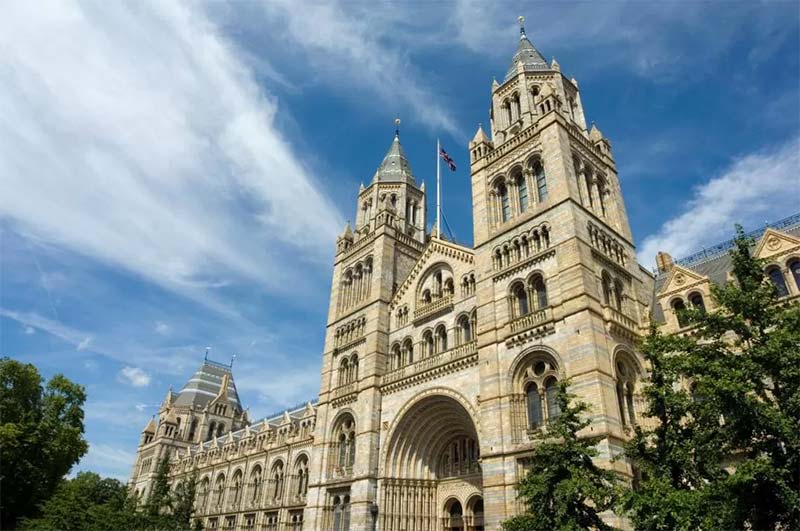
123,000 rocks spanning 250 years. The Natural History Museum’s rock collection is an exhibition that sends shivers down our spines here at Stamford Stone. Now, while some may not understand why we get our kicks from sedimentary, igneous and metamorphic samples, we’re excited to explain why the history of stone is so important.
A History of Adventure
The Natural History Museum’s rock collection showcases samples retrieved from expeditions that have taken place throughout history. These are remnants of voyages to distant lands and through the course of history. Evidence of human endeavour stepping into the unknown; from remote oceanic islands to Antarctic exhibitions. This collection demonstrates the diversity of the world’s environment through time and distance.
The rocks in the collection include samples brought back from some of the world’s greatest expeditions, including George Mallory and Sandy Irvine’s fateful Mount Everest expedition and the HMS Challenger expedition which formed the basis of modern oceanography.
Xenoliths – a Stone within a Stone

The rock collection is also home to a significant array of xenoliths of scientific interest. A xenolith – a geological term – is a stone within a stone. This usually happens during a volcanic eruption when magma engulfs a different type of stone and then cools, trapping the fragment inside. When this happens with crystal, it’s known as a xenocryst.
Similar to our masonry stone, xenoliths are moments of time captured. Our masonry stone does the same. Dating back to the Jurassic era, we’ll often find fossils and shells embedded within our quarried natural stone.
But xenoliths aren’t just pretty to look at. They’re vital in understanding how the Earth evolves and how the landscape has changed over time. We can tell when formations were created by the type and depth of xenoliths within the earth’s mantle.
The Building Stone Collection

But perhaps our favourite part of the exhibition is the 16,000-strong building stone collection. This collection identifies and classifies different types of architectural stone which is vital to conservation and restoration work on historic buildings.
By examining these specimens, architects, designers and suppliers like Stamford Stone can match stone from pre-existing structures with new stone from our quarries.
In fact, the building stone collection first began when UK quarries were surveyed during a search for the perfect stone to match the Palace of Westminster during restoration works after a fire in 1834.
Creating a database of building stones is a quest still being undertaken by the British Geological Survey today.
Our Architectural Stone

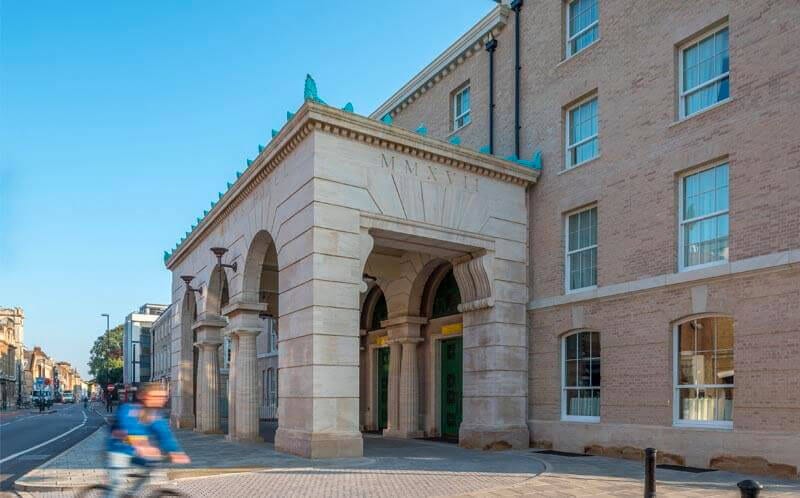
As the sole suppliers of Clipsham limestone worldwide, we have been involved in many conservation and restoration projects when only Clipsham limestone will do. This includes projects at King’s College Chapel in Cambridge, Worcester College and Magdalen College in Oxford, York Minster, Windsor Castle, Jesus College, University Arms, Cambridge’s oldest hotel and notably Ripon College in Oxfordshire.
It’s essential not to underestimate the importance of using the perfect architectural stone in heritage works.
Magdalen College, Oxford
At Oxford University, we supplied Greetham ashlar and Clipsham Brown copings from Medwells Quarry for restoration works on Magdalen College. These stones were chosen as the original Ketton stone could no longer be supplied. However, Clipsham limestone has historically been used widely as an architectural stone in Cambridge buildings.
Our clients say: “The impact of natural stone on our culture and heritage is hugely important in defining the distinctive character and ‘sense of place’, distinguishing different parts of the UK from one another. To the national heritage built environment, continued supply is essential for conserving our most important secular, ecclesiastical and industrial buildings for public benefit.”
Conserving Heritage with the Right Architectural Stone
And, of course, it’s not just appearance to consider when choosing the perfect stone to use on restoration and conservation projects. The durability, resistance and weather-bearing capabilities are also important. So too are architectural and structural considerations such as whether a certain stone can be load-bearing.
All of this comes back to why we’re so excited about the rock collection at the Natural History Museum – in particular, the building stone collection. This archive of specimens is essential to the integrity and authenticity of modern conservation and restoration works, as well as serving as a beautiful reminder of the history of architectural stone.
With our expertise in historic building conservation, Stamford Stone ensures that every project respects heritage while delivering durability and authenticity.
Choosing Stamford Stone as Your Architectural Partner
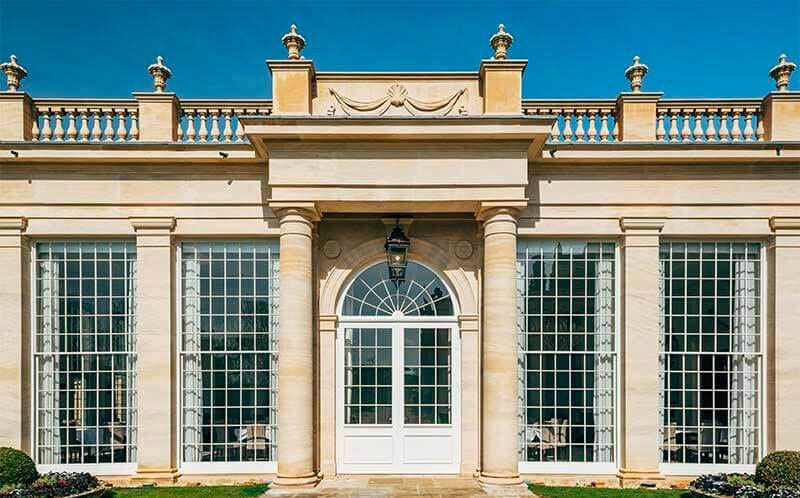
Our architectural stone is second to none. Time and time again, our stone has been chosen to complete restoration and conservation works around the UK due to its timeless, historic feel and resilience. It’s the same reason why modern architects also choose our architectural stone – to create structures of beauty and permanence.
You can find out more about our architectural services here and about our architectural stone in our online brochure. Alternatively, call us on 01780 740970 to speak to a member of the team today or to order a sample.
Visit the Natural History Museum
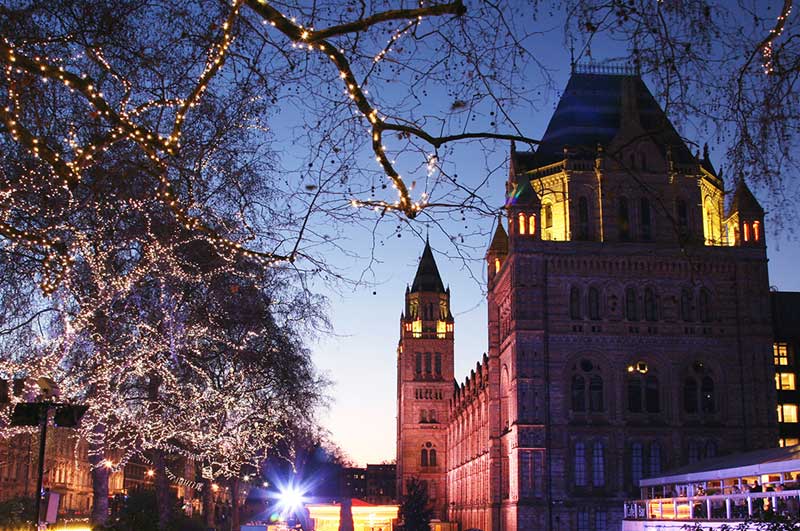
And, of course, if you find yourself in London, don’t forget to drop into the Natural History Museum to see the exhibition while you can.