
Exterior Stone Renovation: A Few Things You Should Know
Limestone has been a popular exterior stone for buildings in the UK for many centuries. It’s easier to work than harder alternatives like granite, but still immensely tough and long-lasting. If you live in a stone-built home, here are some key things you need to know about the renovation of stone.
Click here to DISCOVER OUR STONE RENOVATION SERvices
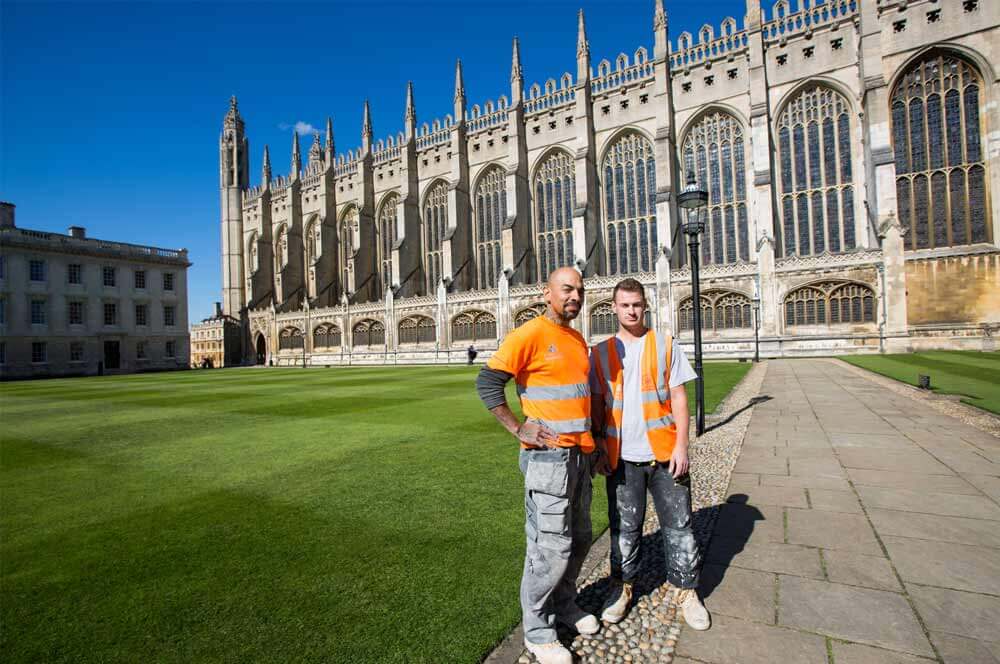
Stone buildings are made to last. You only have to look at the stone country houses and churches all across the UK. Made of locally sourced stone, they are still going strong, hundreds of years after their foundation stones were laid. But sometimes, a touch of exterior stone renovation is needed to keep these historic stone buildings in shape.
Breathability is key!
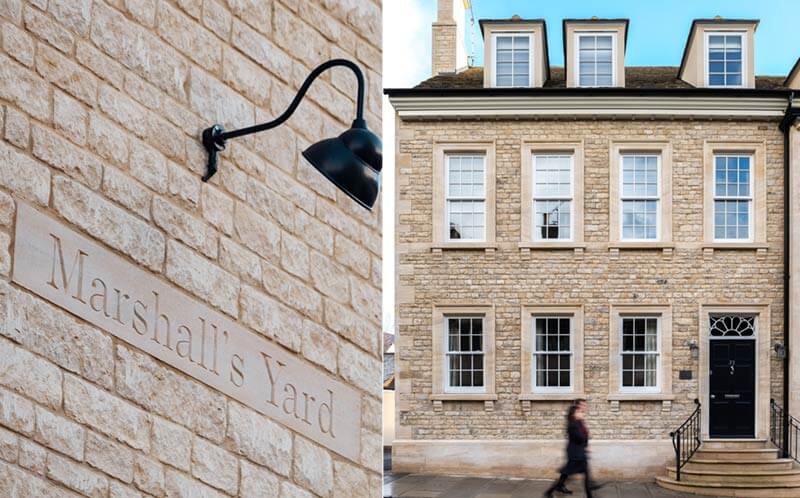
In modern wall construction, several layers of waterproofing are used to keep moisture out completely. An old stone building is completely different in that the walls need to ‘breathe’. This means some water is absorbed from the outside but evaporates through the porous mortar. Likewise, internal moisture can evaporate through breathable rendering and plaster.
Three types of exterior stone renovation
Over time, stone houses settle – and the exterior stone (and mortar) is exposed to the elements. This can cause three issues in particular:
1. Cracks
This can be either cracks in the mortar or cracks in the stones themselves. These are normally caused by the building settling on its foundations. Bear in mind that some older stone buildings may have no foundations, making them even more susceptible to ground movements.
Significant cracks in exterior stone for buildings should always be investigated by a structural engineer – choose one with experience and knowledge of the quirks of old stone.
2. Damaged/crumbling stone
Over time, exterior stone can suffer from the elements, especially when exposed to extremes of temperature and moisture. In areas with high pollution levels, acid corrosion can also lead to the urgent need for exterior stone renovation.
3. Crumbling core
Older stone walls often consist of an outer and inner skin of natural stone blocks, concealing a rubble core. Over time, this core can crumble – for example, as a result of moisture or temperature changes. In extreme cases, this can push the two skins apart, causing the wall to bow out in places.
Moderation in all things…

Experts in exterior stone for buildings tend to support the old maxim of “if it’s not broken, don’t fix it!” with exterior stone renovation. That’s especially the case with listed buildings. If cracks aren’t structurally significant, simply fill them with a suitable mortar. If a stone is weathered but still sound, does it really need to be replaced?
However, there will be times when the damage is too great to ignore. In that case, take care to source suitable matching stone. Not only will it look right, but it will also contribute to the structural integrity of the building.
The importance of lime mortar
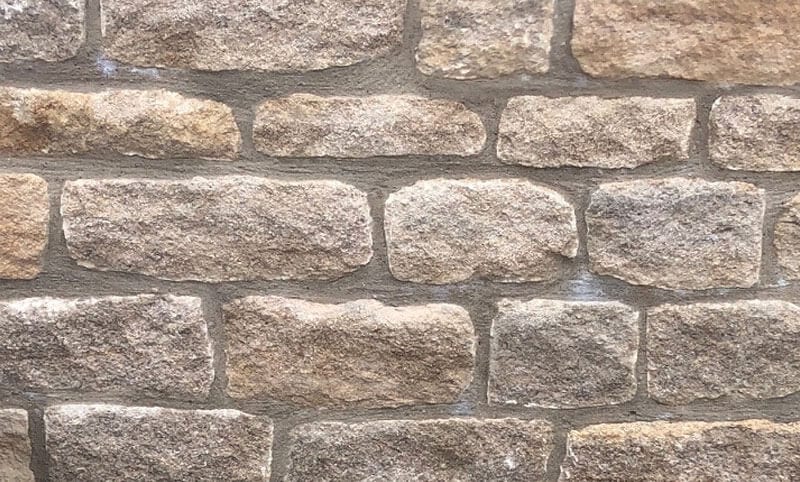
Always use traditional lime mortar for repointing during exterior renovation and building conservation. Never be tempted to use modern cement mortars, which are harder than the stone itself.
First of all, cement can cause the surface of the stonework to fail, causing more problems than the ones you’re trying to fix. Secondly, cement is non-porous – so the structure of the wall won’t allow moisture to evaporate. This could lead to damp problems.
Where to source exterior stone for buildings

In days gone by, when stone was much more commonly used in construction than it is today, housebuilders nearly always used locally quarried stone. So naturally, your first port of call for exterior stone renovation should be quarries and stone suppliers in your local area.
But remember, the geology of the UK means that similar types of stone are found in different areas. For example, the Lincolnshire limestone belt is part of a seam of limestone that stretches from Yorkshire right through the East Midlands and down to Gloucestershire. So you may need to look a bit further afield.
Stamford Stone own and operate limestone quarries in Clipsham and Greetham in Lincolnshire. If you need top-quality English limestone for your next exterior stone renovation project, please get in touch today.