
The journey of modern architectural stone
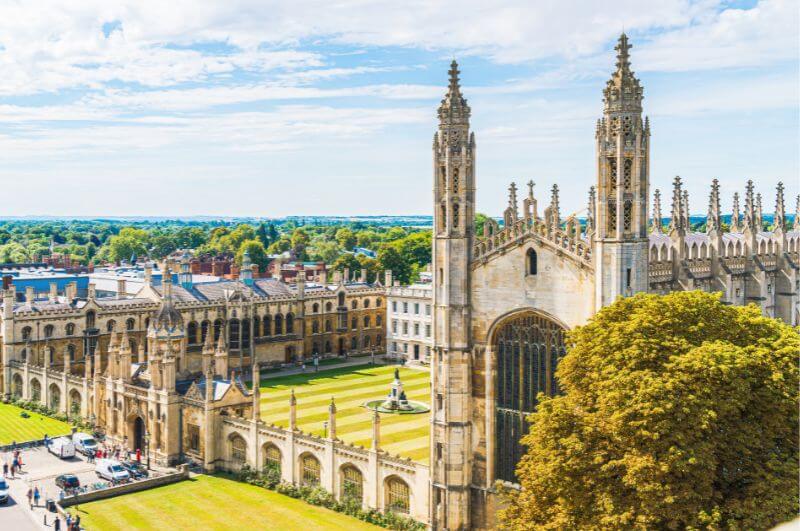
Architectural stone is nothing new — in fact, it dates back thousands of years, well in advance of our modern-day buildings and homes. Yet the emergence of steel, concrete, and other manmade materials in the 19th century put stone on the back burner for a time.
However, in recent years, there’s been a renaissance of sorts in which builders and homeowners are returning to construction materials that have withstood the test of time. From limestone and marble to granite and slate, these materials are capturing the attention of architects, homeowners, and business owners looking to infuse modern structures with sustainability, function, style, and timeless beauty. In this article, we’ll go on a journey through the world of modern architectural stone, where natural, environmentally friendly materials are transforming spaces into works of art.
The role of architectural stone

In what the Architectural Review calls “a hopeful future for construction,” architectural stone has reemerged as a versatile material suitable for a wide range of projects. From natural stone flooring and bathroom wall tiles to stone curtain walls on the exterior of a building, natural stone adds character and elegance in a way that few other materials can match.
One of the most compelling aspects of architectural stone is its natural beauty. Unlike artificial materials, natural stone exudes a unique charm and authenticity in its subtle veining and stunning hues.
Indeed, the wide range of colours, textures, and patterns available in natural stone flooring, tiles, and architectural elements offers endless design possibilities.
Durability you can rely upon
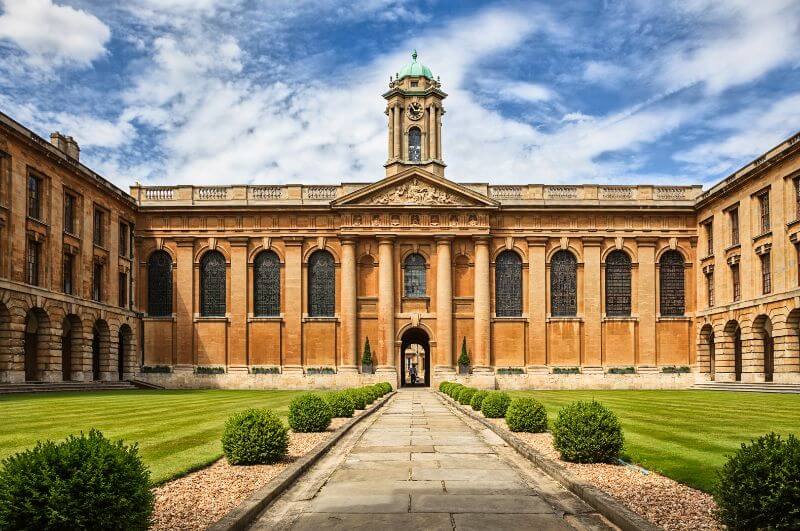
The Palace of Westminster, the Houses of Parliament, the colleges of Cambridge and Oxford, and other other architectural marvels offer a glimpse at the durability of architectural stone. These structures would not be nearly as enduring — nor as beautiful — if they had been constructed with concrete.
Moreover, reinforced concrete is far more susceptible to wear and tear, ultimately resulting in unsightly blemishes and costly repairs. In contrast, weathered limestone only grows more lovely with time, adding character to buildings in ways that manmade materials simply cannot.
Sustainability for modern times
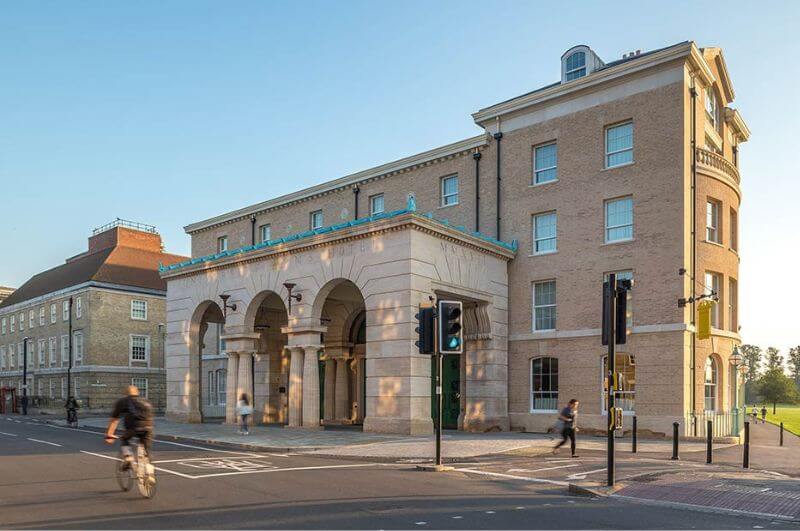
Unlike man-made building materials, architectural stone boasts a minimal environmental impact, primarily because it requires no production processes.
Stone requires very little energy for extraction and cutting, leaves a minimal carbon footprint, and contains no pollutants. It doesn’t rely on chemical treatments for waterproofing or release harmful off-gases. It can even be repurposed into other building materials.
Recyclable, energy-efficient, durable, and plentiful as a natural resource, stone is the building material we need in a world that’s increasingly concerned with climate change and greenhouse gases.
Consult with our architectural stone company experts
As you explore the uses of architectural stone in residential or commercial projects, remember that expert guidance and support are just a phone call away.
Stamford Stone’s expert architectural stone suppliers and specialists are ready to assist you in selecting the perfect natural stone. Whether you’re launching a restoration project or need assistance with designs and plans, their knowledge and experience will ensure your design vision becomes a stunning reality. Contact us at 01780 740970 to learn more.