
Turning back the clock with modern architectural stonework

In the annals of architectural history, few feats rival the enduring allure of stonework. From the formidable fortresses of mediaeval Europe to the opulent estates of the Renaissance, the legacy of architectural stonework spans centuries, leaving an indelible mark on the built environment. In this article, we journey through time to uncover the enduring allure of architectural stonework and its resurgence in modern design.
A look back at architectural stone
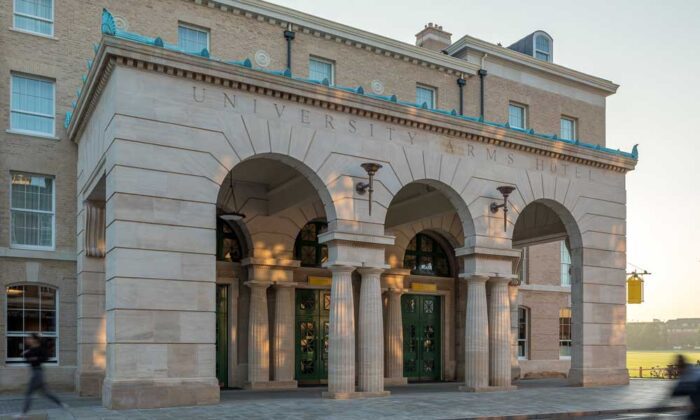
Travel back to the Middle Ages, and you’ll find architectural stonework at the heart of some of history’s most ambitious construction projects. Building castles, cathedrals, and manor houses was no small endeavour, often requiring the labour of thousands of skilled artisans.
Utilising locally sourced materials such as clay soil, oak trees, and quarried stone, mediaeval builders crafted intricate structures adorned with soaring spires, intricate sculptures, and imposing fortifications. These architectural marvels served not only as symbols of power and prestige but also as testaments to the ingenuity and talent of their creators.
Defining features
Several key features define the aesthetic of historical architectural stonework, each contributing to its enduring appeal:
- Fireplace mantels: Once the focal point of mediaeval great halls, fireplace mantels exude warmth and grandeur. Today, expert craftspeople can replicate the intricate designs of centuries past, infusing modern homes with a touch of mediaeval splendour.
- Stone columns: Gothic stone columns, with their soaring heights and intricate carvings, evoke a sense of awe and majesty. Whether adorning the façade of a grand estate or framing a modern entrance, these architectural elements continue to command attention in contemporary homes and buildings.
- Mediaeval fountains: From bustling city squares to secluded garden retreats, mediaeval fountains served as functional water features and ornamental works of art. Today, these timeless structures continue to grace landscapes with their elegant forms and tranquil allure.
- Stone kitchen hoods: In mediaeval kitchens, stone hoods provided both practical ventilation and striking visual focal points. Today, these elaborate structures lend rustic charm and timeless elegance to modern culinary spaces.
Natural stone’s modern revival
While the heyday of mediaeval architecture may be behind us, its influence reverberates in contemporary design. Thanks to advancements in building techniques and materials, architects and builders can now recreate the timeless beauty of mediaeval stonework with precision and quality. Whether in residential estates, commercial developments, or public spaces, echoes of the past find new expression in the architectural wonders of today.
Examples of modern-day stone applications

- Building façades: Stone cladding systems have become integral to modern building techniques, offering durability, aesthetics, and insulation. Using natural stone on the exterior adds beauty and charm to any structure. With various textures, patterns, and colours available in stones like granite, limestone, and sandstone, architects can create unique and attractive designs, enhancing commercial and residential buildings’ appearance.
- Stone flooring: Natural stone flooring remains popular in modern architecture, adding warmth to interior spaces. From minimalist Scandi to traditional Georgian country, there’s a wide range of styles for every design taste. At Stamford Stone, we use modern production techniques to hone natural stone into various sizes and finishes and construct statement flooring in any space.
- Landscaping and patio projects: In outdoor environments, natural stone is a versatile material for landscaping and patio projects. Retaining walls, garden accents, steps, patios, and driveways all lend themselves to natural stone, which ages beautifully and offers superior durability over concrete. Plus, because it has smaller joints than concrete, stone landscaping features can help prevent excessive weed growth.
- Interior design features: Within interiors, natural stone works brilliantly for countertops, fireplaces, and accent walls. Add a focal point to living areas with a limestone or marble fireplace surround, or transform the kitchen and bathrooms with granite and quartz countertops. Natural stone is hygienic, sustainable, and practical yet elegant, contributing visual interest to living spaces.
Expert craftsmanship with a trusted architectural stone company
While modern technology has revolutionised the field of architecture, the art of stonework remains a testament to the skill and dedication of master craftsmen. From meticulous carving to precise installation, creating architectural stonework requires a blend of artistry and expertise that only the most skilled designers and artisans can provide.
At Stamford Stone, our expert architectural stone suppliers and specialists are ready to assist you every step of the way. From selecting the perfect natural stone to bringing your design vision to life, we’re here to make your architectural dreams a reality. Contact us today at 01780 740970 to learn more and begin your journey into the world of modern architectural stonework.