
Why preserving masonry stone is better than replacing: honouring history, beauty, and sustainability
Masonry stone buildings are more than just structures — they’re living pieces of history that connect us to the past. When these buildings start to show their age, we face a big decision: Should we repair them or replace them? In this article, we’ll explore why repairing and preserving masonry stone structures is often the preferable choice. It’s about honouring our heritage, preserving beauty, and being kind to the environment.
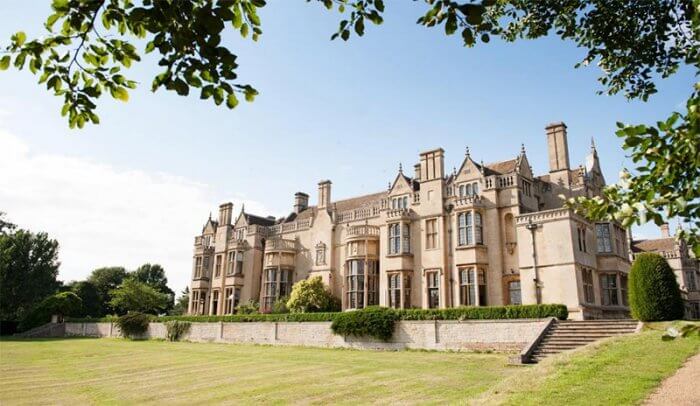
What is stone masonry?
Stone masonry is a construction technique that involves the use of stone units, such as bricks or blocks, bonded together with mortar to create structures. It’s one of the oldest building methods, dating back thousands of years to ancient civilizations experimenting with masonry stone techniques.
Known for their durability and timeless appeal, stone buildings include everything from ancient monuments like the Pyramids of Giza to modern commercial and residential properties with stone facades. These structures are testaments to human ingenuity and craftsmanship, bridging the gap between our architectural heritage and contemporary building designs. Here are some fun facts about stone masonry you might not know:
- Ancient Egyptians crafted mortar using sand and burned gypsum for their architectural marvels. Utilising horses, carriages, scaffolding, and pulleys, ancient Egyptians transported stones over long distances and raised them to impressive heights for construction projects.
- The Great Pyramid of Giza, constructed over 5,000 years ago, soared to a height of 481 feet and comprised over 2.3 million blocks of stone.
- The Inca civilisation mastered the Ashlar technique, cutting stones so precisely that mortar was unnecessary; at Machu Picchu, the stones fit so snugly together that not even a blade of grass could be inserted between them.
- Ancient Greek architects employed entasis, subtly curving and tapering their columns to create an optical illusion of perfect straightness.
- Roman concrete, made from volcanic ash, lime, and aggregate, boasted incredible strength and durability, contributing to the longevity of their constructions.
- Masonry mishaps can lead to architectural oddities, as seen in the Leaning Tower of Pisa, where a flawed foundation on soft soil caused the tower to tilt to one side under its own weight.
The process of stone restoration
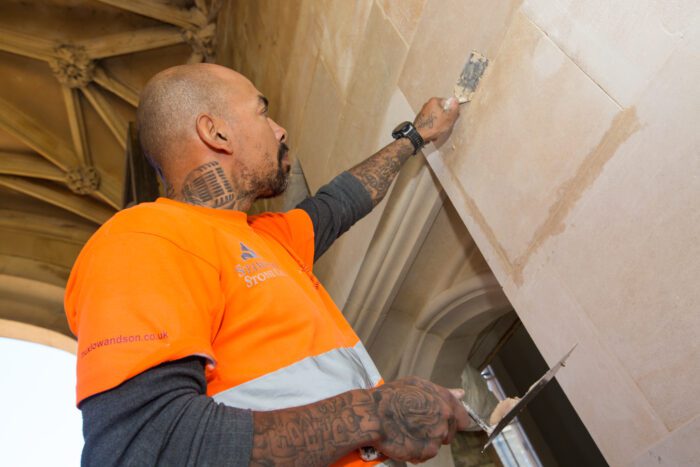
Repairing masonry stone buildings is an intricate process. Skilled craftsmen assess the damage and then set to work, using techniques like repointing (fixing the mortar between stones), replacing damaged stones, and cleaning the surfaces. It’s a bit like giving the building a facelift — it restores its strength and beauty.
Oftentimes, choosing to repair rather than replace stone buildings makes good financial sense. It’s typically cheaper to restore what we have than to tear it down and start from scratch. Plus, preserving old buildings can be a boon for local economies, attracting tourists and creating jobs.
Repairing stone buildings is also better for the environment. It saves resources by reusing materials instead of making new ones. Plus, it reduces pollution by avoiding the demolition process. By choosing repair over replacement, we’re doing our part to protect the planet for future generations.
Repairing stone structures begins with a thorough assessment of the damage. Skilled professionals meticulously examine every aspect, identifying structural weaknesses, cracks, erosion, and other contributing factors.
From there, they select repair techniques based on the extent of the damage. Repointing is a common method, involving the removal of deteriorated mortar joints and their replacement with fresh mortar that blends with the original composition, colour, and texture.
In cases where stone damage is severe, replacement is necessary. Skilled craftsmen carefully remove damaged stones and replace them with new ones. Attention to detail ensures a seamless integration with the surrounding structure, ensuring a secure and long-lasting repair.
Stone structure repair: ensuring durability and aesthetics
Stone buildings tell stories of our ancestors’ creativity and skill. Think of landmarks like Machu Picchu, Stonehenge, or the Great Wall of China — they’re not just old structures; they’re windows into our past. They remind us of the people who came before us and the awe-inspiring things they achieved.
Stone buildings also have a timeless beauty that adds charm to any landscape. Whether nestled in the countryside or towering over a city, their weathered facades have a unique elegance that never goes out of style. They give us a sense of history and permanence wherever they stand. Repairing them is a way of honouring our history, preserving their beauty, and being mindful of the environment.
Let’s commit to keeping these architectural gems alive for generations to come. For assistance with your stone masonry restoration project, contact us at Stamford Stone. Our expert stone restoration craftspeople are ready to help transform old structures into new works of art.